
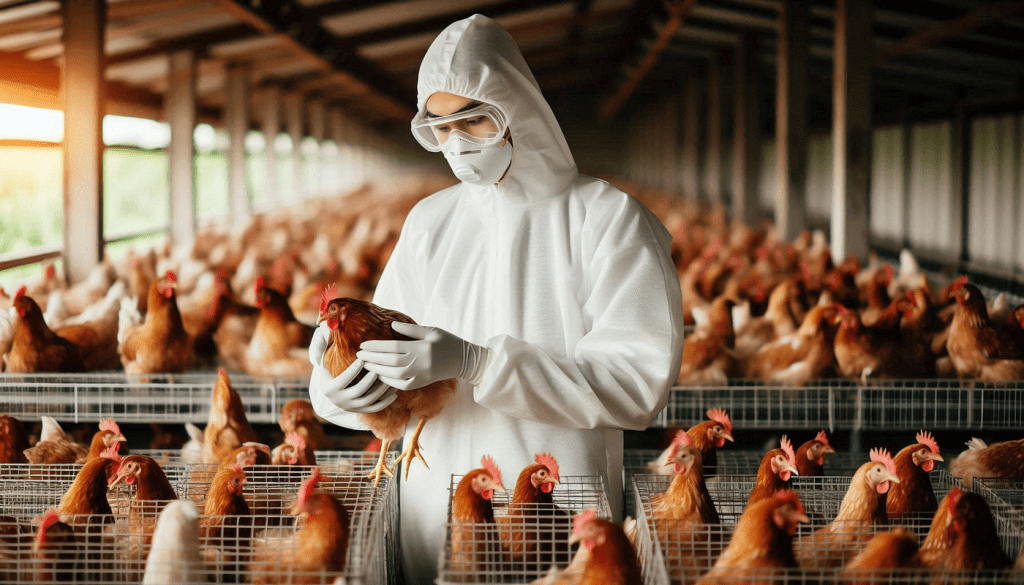
Intensive livestock farming, also known as factory farming, is a modern agricultural system where large numbers of animals are raised in confined spaces to maximise production at minimal cost.
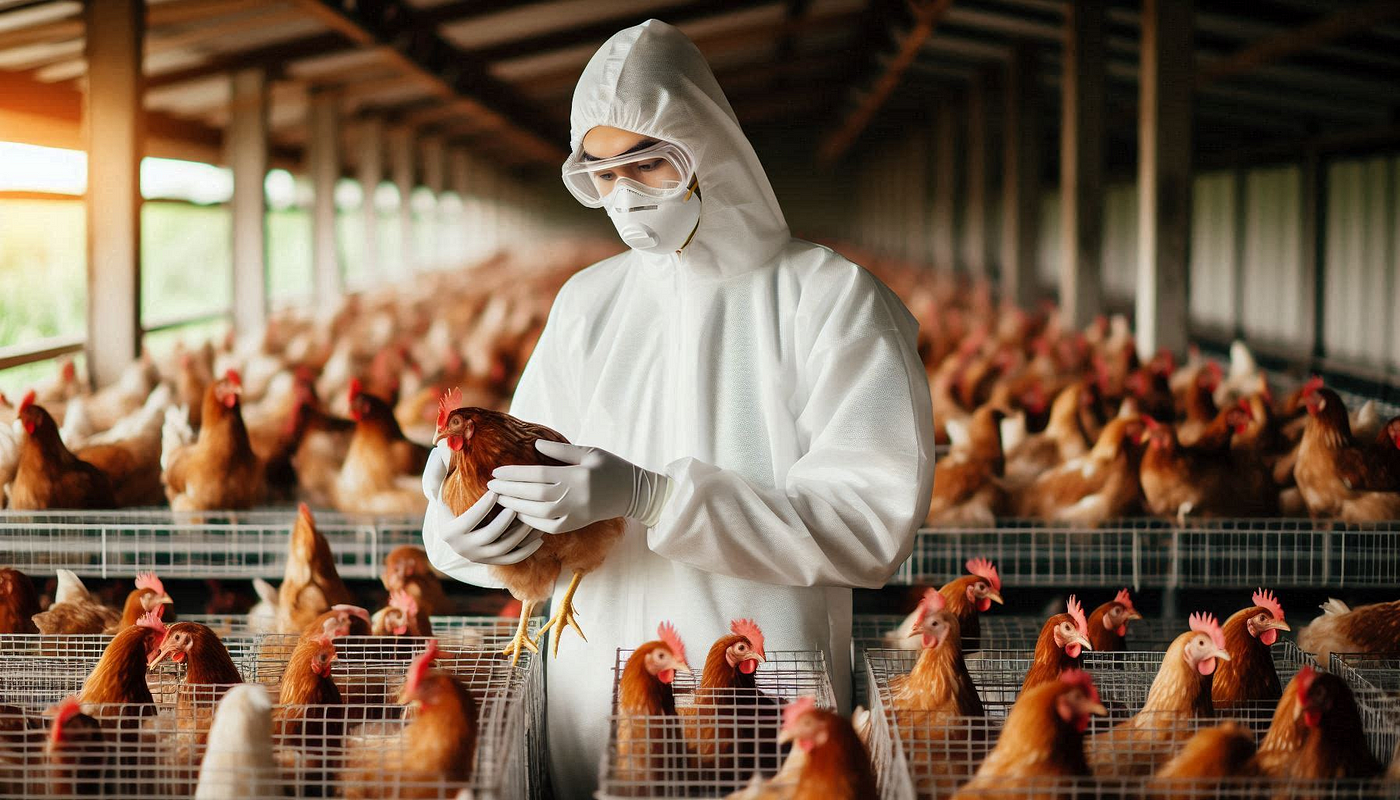
While this method boosts efficiency, it poses significant risks, particularly concerning the emergence of new pandemics. Recent research has highlighted the potential dangers associated with this type of farming, urging a reevaluation of its practices.
Understanding Intensive Livestock Farming
Intensive livestock farming involves raising large numbers of animals, primarily indoors, under conditions designed to optimise production efficiency. Historically, this approach emerged as a response to the growing demand for animal products, driven by population growth and increased consumption. However, the quest for efficiency often comes at the expense of animal welfare and environmental sustainability.
The Role of World Animal Protection-Kenya
World Animal Protection-Kenya has been vocal about the adverse impacts of factory farming. They argue that intensive animal farming is a primary contributor to animal suffering and call for the adoption of more humane farming practices. Their advocacy highlights the need for reforms in how animals are raised and managed within agricultural systems.
Zoonotic Diseases: An Overview
Zoonotic diseases are infectious diseases that can be transmitted from animals to humans. Examples include avian influenza, swine flu, and the more recent COVID-19. These diseases often emerge due to close contact between humans and animals, facilitated by practices such as intensive farming.
Industrialised Farming and Zoonotic Disease Risks
Proponents of industrialised farming argue that it reduces the risk of zoonotic diseases through better control measures, biosecurity, and the separation of livestock from wildlife. However, critics point out that these systems can still be vulnerable to disease outbreaks due to the high density of animals and potential breaches in biosecurity.
Research Findings on Intensive Farming and Pandemic Risks
A study led by the University of Exeter examined the effects of intensive livestock farming on the risk of emerging infectious diseases (EIDs). The research found that the impacts of intensifying agriculture are uncertain and may, in fact, contribute to the risk of new pandemics. This finding challenges the assumption that industrialised farming inherently reduces disease risks.
Economic and Social Factors in Disease Emergence
The Exeter study emphasised the importance of considering economic and social factors in assessing disease risks. Traditional assessments often overlook these elements, focusing instead on microbiological and ecological factors. However, the ways in which societies organise and manage agricultural practices can significantly influence the emergence and spread of diseases.
Role of Livestock Farming in EID Risks
Professor Steve Hinchliffe, the study’s lead author, highlighted that livestock farming significantly impacts pandemic risks by shaping landscapes and providing hosts for emerging pathogens. The COVID-19 pandemic has reignited interest in understanding how these farming practices contribute to disease emergence and transmission.
The Myth of Separation in Intensive Farming
One of the foundational beliefs in intensive farming is that separating livestock from wildlife reduces disease transmission risks. However, this separation is not always absolute. Wildlife can infiltrate farm environments, and farm workers can inadvertently introduce pathogens. These real-world challenges undermine the effectiveness of biosecurity measures.
Environmental Degradation and EID Risks
The expansion of intensive farming often leads to environmental degradation, which can exacerbate the risks of emerging infectious diseases. Deforestation, habitat destruction, and pollution are common by-products of intensive farming, all of which can contribute to the spread of zoonotic diseases.
Mixed Farming Landscapes and EID Risks
Intensification of agriculture creates mixed landscapes where various farming practices coexist. This diversity can create “the worst of all possible worlds” in terms of EID risk, as different farming methods can interact in ways that facilitate the spread of diseases.
Biosecurity and Standardisation in Farming
While increasing biosecurity and standardisation in farming are often proposed as solutions, they are not foolproof. Dr. Kin Chan, a co-author of the Exeter study, argues that these measures alone cannot guarantee a disease-free environment. A more comprehensive approach that includes socio-cultural considerations is necessary.
Socio-Cultural Impacts on Planetary Health
The intensification of livestock farming has broader socio-cultural impacts that affect planetary health. Issues such as animal welfare, environmental sustainability, and public health are intertwined and must be addressed collectively. Rethinking how we produce and consume animal products is essential for achieving long-term sustainability.
Collaborative Research Efforts
The Exeter study involved multiple institutions, including Tufts University, the Royal Agricultural University, and others. This collaborative effort underscores the importance of multidisciplinary approaches in addressing complex issues like pandemic risks associated with intensive farming.
Conclusion
Intensive livestock farming poses significant risks concerning the emergence of new pandemics. While industrialised farming practices offer certain benefits, their potential to contribute to zoonotic disease risks cannot be ignored. Addressing these challenges requires a holistic approach that considers economic, social, and environmental factors. By rethinking our agricultural practices, we can work towards a more sustainable and disease-resilient future.
FAQs
What is intensive livestock farming?
Intensive livestock farming is a modern agricultural system where large numbers of animals are raised in confined spaces to maximise production at minimal cost. This method prioritises efficiency but often at the expense of animal welfare and environmental sustainability.
How does intensive farming contribute to pandemic risks?
Intensive farming can increase pandemic risks by creating environments where diseases can spread more easily among animals and potentially to humans. High animal densities, breaches in biosecurity, and environmental degradation are key factors contributing to these risks.
What are zoonotic diseases?
Zoonotic diseases are infectious diseases that can be transmitted from animals to humans. Examples include avian influenza, swine flu, and COVID-19. These diseases often emerge due to close contact between humans and animals.
What did the University of Exeter study find?
The University of Exeter study found that the impacts of intensive livestock farming on emerging infectious disease risks are uncertain and may contribute to the risk of new pandemics. The study emphasised the need to consider economic and social factors in disease risk assessments.
How can we mitigate the risks associated with intensive farming?
Mitigating the risks associated with intensive farming requires a holistic approach that includes improving biosecurity, considering socio-cultural impacts, and promoting sustainable farming practices. Rethinking how we produce and consume animal products is essential for reducing pandemic risks.






 FDDIVD