

Within the vast landscape of global agricultural economics, the livestock industry stands as a cornerstone, crucial not only for food security and nutritional provision but also as a significant driver of economic growth in numerous countries. However, in recent years, a series of animal disease outbreaks, particularly the proliferation of avian influenza in the United States and Newcastle disease in Brazil, have posed unprecedented challenges to the global livestock sector, profoundly impacting public health, economic stability, and international trade.
Avian Influenza Outbreak in the United States: From Epidemic to Impact
Since 2022, the avian influenza epidemic in the United States has escalated, becoming one of the largest avian influenza outbreaks globally in recent years. According to data from the U.S. Department of Agriculture (USDA), as of November 2024, the outbreak has affected multiple states across the country, resulting in the infection or euthanasia of tens of millions of poultry, including both commercial farms and wild birds.
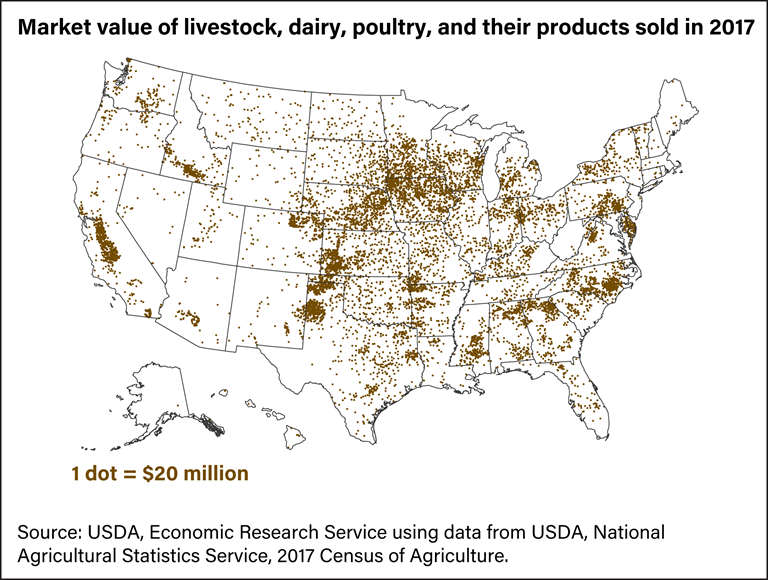
In 2024, the situation was particularly severe, with a large egg farm in Iowa hit by the outbreak in April, impacting 4.2 million birds, marking the largest single outbreak in the U.S. since 2022. Additionally, the avian influenza virus was first detected in dairy cows, and human cases emerged, with 46 human infections with the H5N1 avian influenza virus reported across states like California and Washington as of November, further exacerbating the public health crisis. These events have not only devastated the U.S. poultry industry, leading to skyrocketing prices for eggs and poultry meat, but have also sparked global concerns about food safety and the cross-border transmission of animal diseases.

Newcastle Disease Outbreak in Brazil: State of Emergency and International Trade Implications
Meanwhile, Brazil, a significant exporter of poultry products globally, has also faced severe challenges within its livestock sector. In July 2024, a poultry farm in Rio Grande do Sul, Brazil, reported an outbreak of Newcastle disease, prompting the Brazilian Ministry of Agriculture to declare a state of animal health emergency in the state and suspend poultry exports to 44 countries and regions, including China, to curb the spread of the outbreak and protect the safety of international trading partners. Although the emergency response was successfully implemented, and Brazil announced the end of the emergency state in August, the outbreak had already caused significant economic losses to Brazil’s poultry export industry and introduced uncertainty into the stability of the global poultry product trade chain.
Urgency of Disease Prevention and Control and the Importance of Rapid Testing Solutions
In response to these severe disease outbreaks, strengthening animal disease surveillance, early warning, and prevention and control measures has become a top priority. Traditional disease surveillance methods, characterized by long detection cycles and insufficient accuracy, are inadequate for addressing the current complex and evolving disease prevention and control needs. Against this backdrop, the rapid testing solution for farm livestock diseases offered by FDDIVD has emerged as a novel solution for the livestock industry’s disease prevention and control efforts.
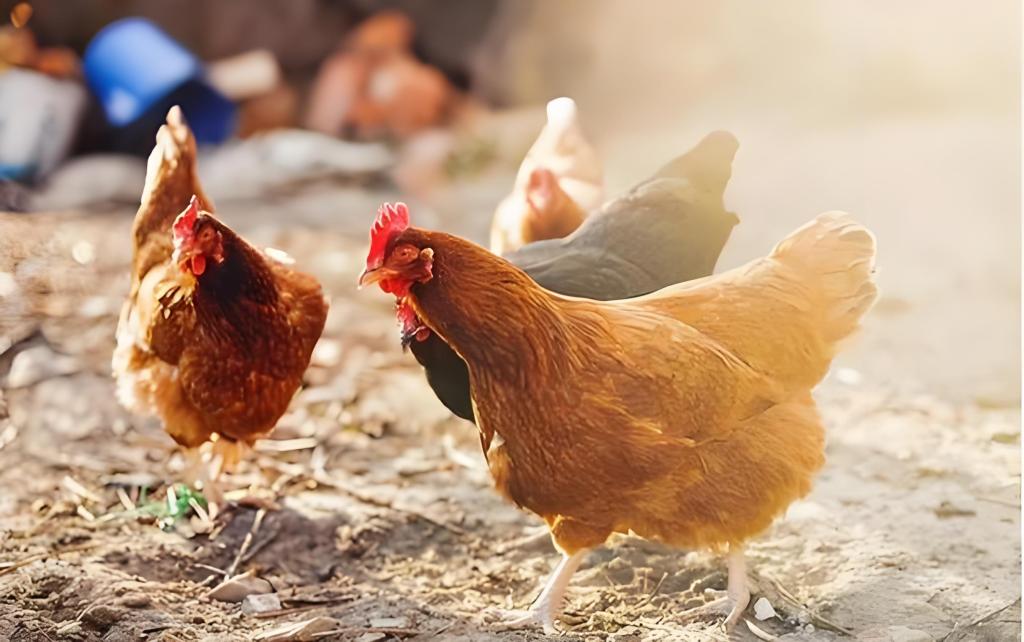
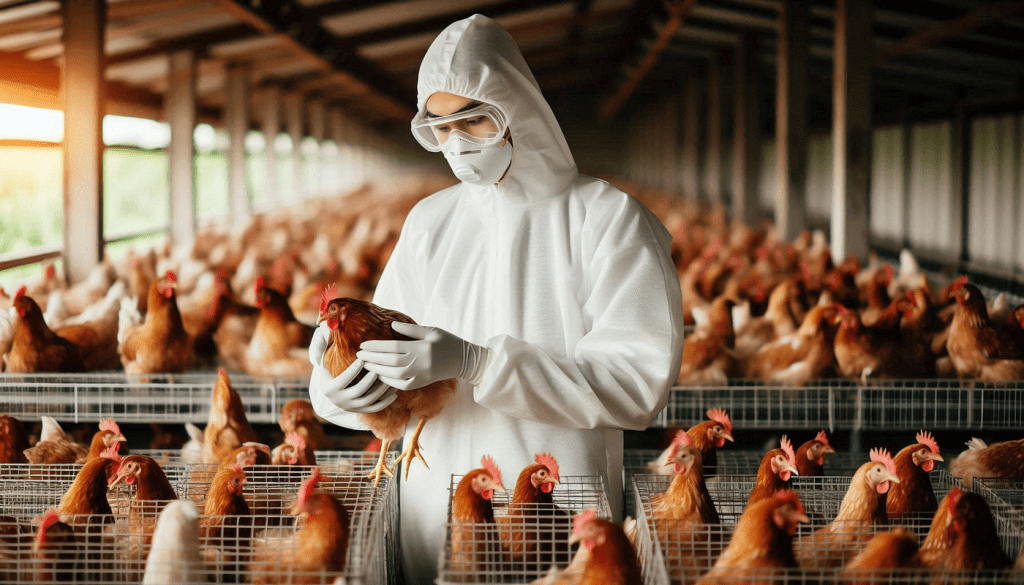
This rapid testing solution integrates advanced molecular biology techniques with multidisciplinary technologies such as optics and electronics, featuring high efficiency, accuracy, and broad coverage. It can quickly detect over 300 diseases in various animals, including pigs, cattle, sheep, chickens, ducks, geese, and more, effectively shortening detection times and improving the accuracy of disease diagnosis. By regularly utilizing this rapid testing solution, livestock farms can promptly identify and address potential disease risks, effectively preventing the spread of outbreaks and ensuring animal health and production safety. Additionally, the solution provides scientific disease prevention and control recommendations to livestock farms, aiding in the formulation of more precise and effective prevention strategies, thereby reducing the risk of disease outbreaks and maintaining the stability and sustainable development of the livestock industry.
In summary, facing the disease challenges within the global livestock industry, the rapid testing solution for farm livestock diseases offered by FDDIVD, with its high-efficiency and accurate detection capabilities, has emerged as a crucial tool for disease prevention and control in the livestock sector. Through enhanced international cooperation and improved disease surveillance and prevention and control levels, we are confident in collectively addressing these challenges, safeguarding global food security and public health safety, and promoting a healthier and more stable development path for the livestock industry.






 FDDIVD